
CASE
ROBOT CELL FOR ULTRA-PRECISE SEALING OF LAND ROVER BATTERY BOXES





CHALLENGE
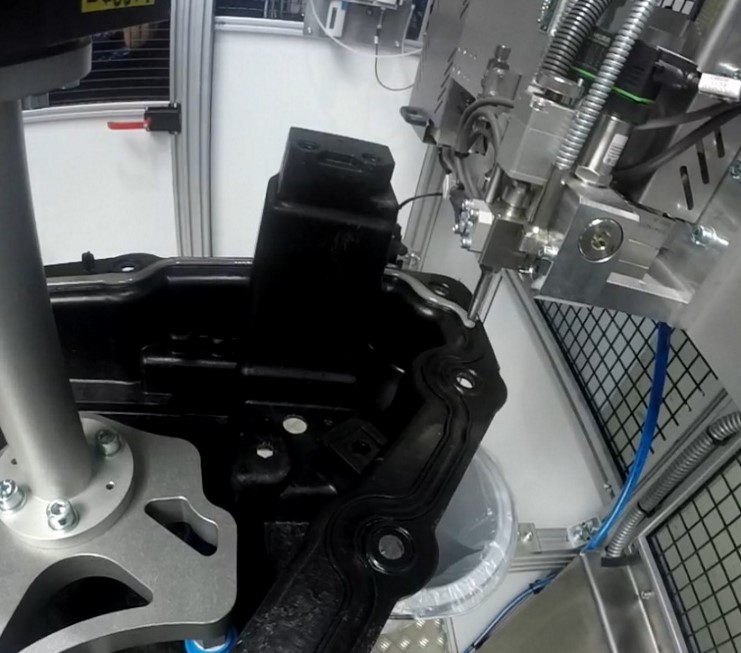
We were asked to apply a seal to the plastic box in which a Land Rover’s battery will be mounted. However, this box, made of glass-fiber-reinforced polypropylene, lacks sufficient dimensional stability for this process. This makes it particularly challenging to apply the seal precisely and evenly. To ensure the seal is applied in the correct location every time, we measure each piece very precisely before it undergoes the various steps.
SOLUTION
QUALITY GUARANTEE
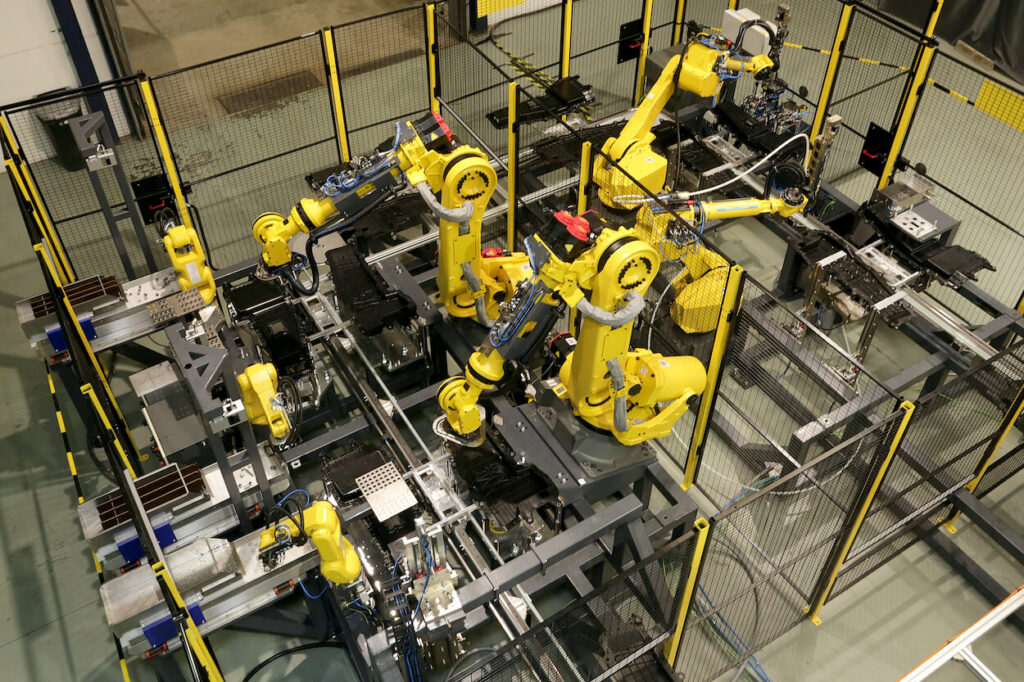
IMA designed a robotic cell to automate the entire process. The operator places 1 or 2 items at a time into a tray, from which the robot picks them up one by one. In this case, we are using a Fanuc robot.
It goes through the following steps:
Step 1: Measurement
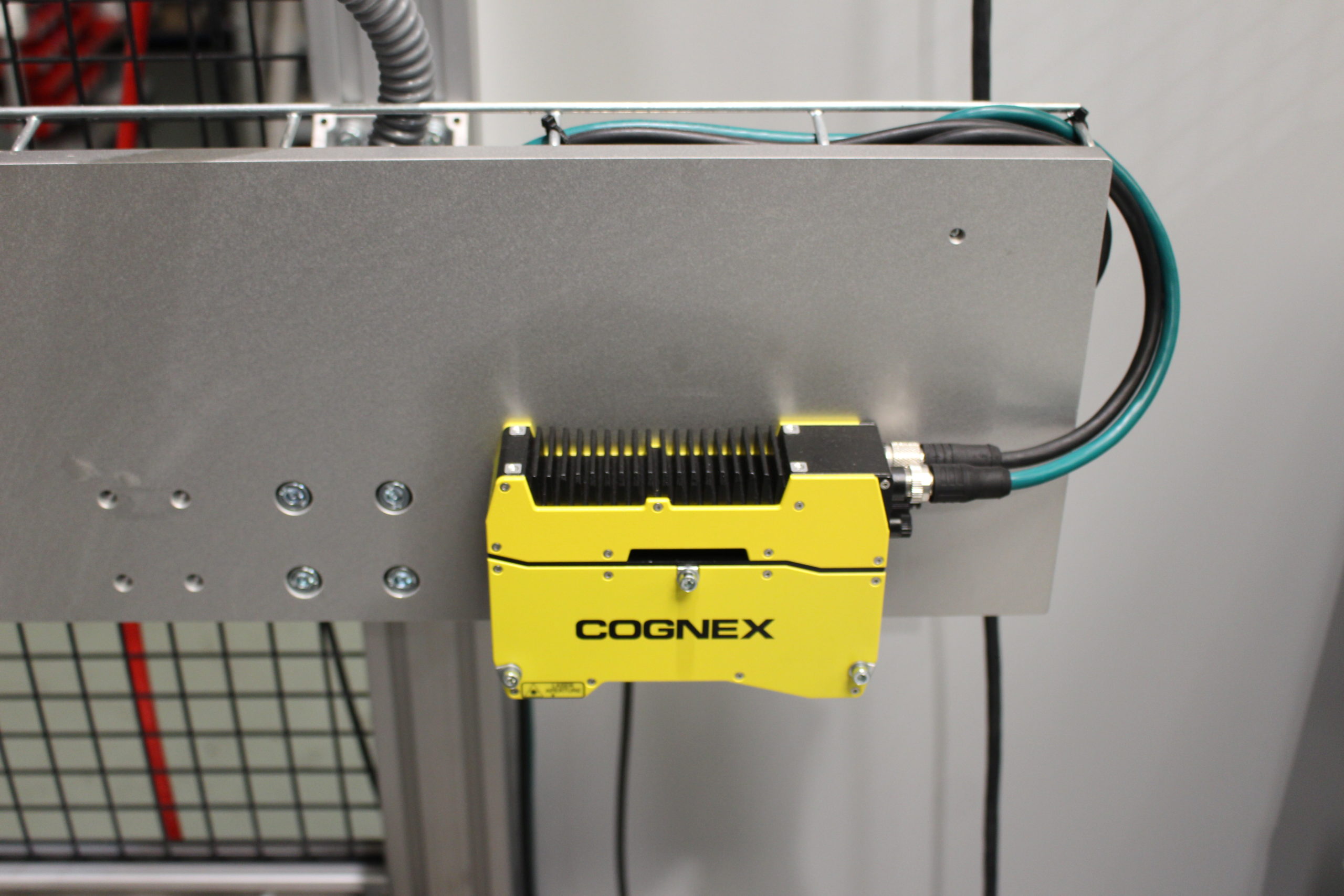
Because the variation from part to part is greater than the process requires, we take precise measurements using a 3D camera. Each piece is labeled. The respective dimensions are shown on the display and also stored in a database. The robot then adjusts itself based on the measured values—a technical feat!
Step 2: Plasma
treatment. This is a pretreatment designed to improve the adhesion of the seal.
Step 3: Applying
the Seal To create a perfect seal, we apply a 1K PU that foams when mixed with nitrogen. Finding the exact ratio between the two components is a challenge. This is because we have to take various process parameters into account, such as pressure, flow rate, time, and temperature.
Step 4: Drying
To ensure faster and more even drying, distilled water is sprayed onto the seal.
Step 5: Curing
The part is placed on an automatic conveyor belt, where it undergoes 12 curing cycles before being returned to the operator.
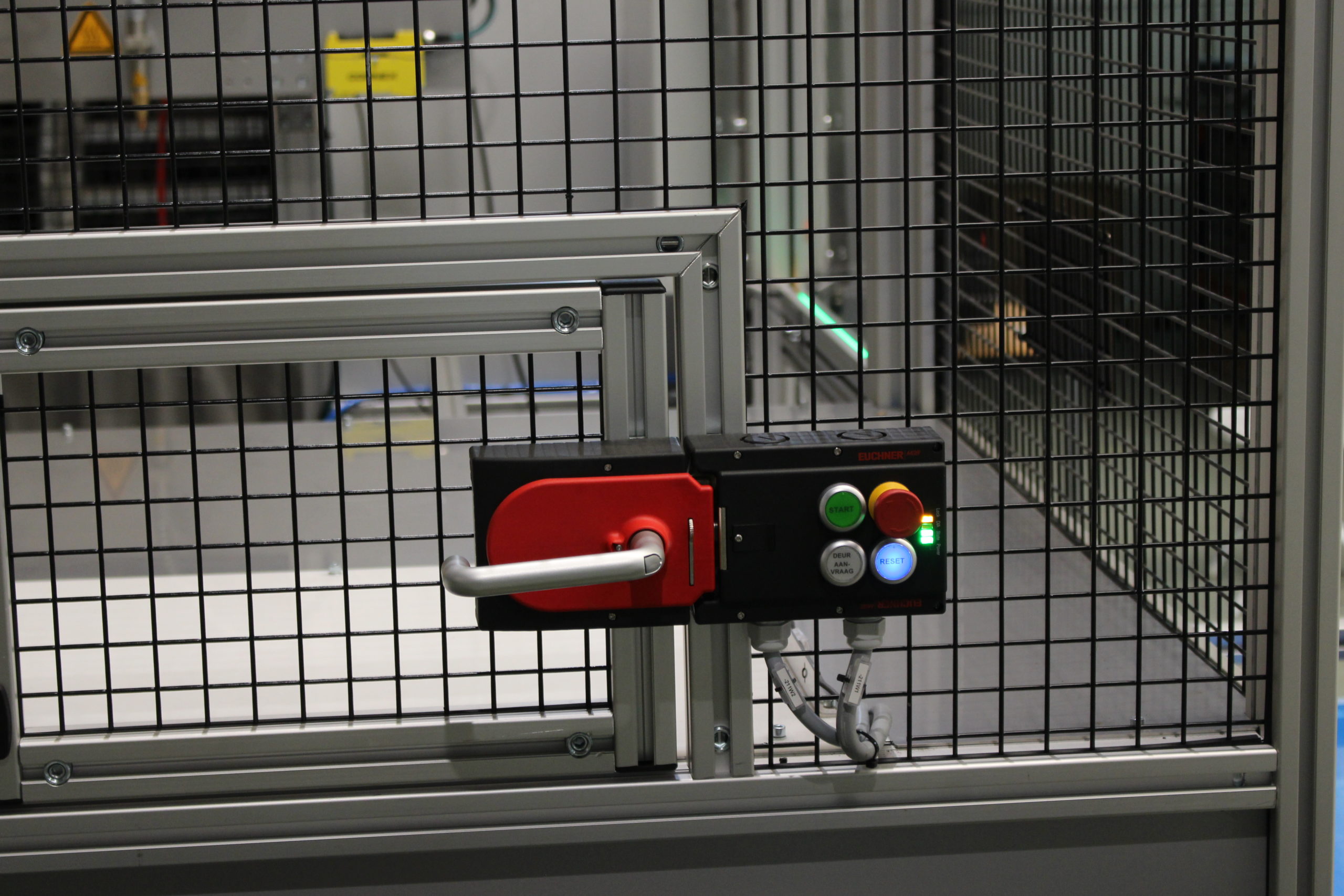
To ensure that no “defective” parts are shipped, we have a rejection scenario in place. This could happen, for example, if the camera detects that the tolerance limits have been exceeded, or if there is a problem with the seal module’s process parameters. In such cases, the robot will move the part into a removal position so that the operator can safely remove it from the robot cell.
William Engelen – Polytec Roosendaal Plant – Manufacturing Engineer:
“We regularly encounter complex assembly processes that present unique challenges time and again. Drawing on our specialized product knowledge, IMA then designs and builds a machine to address these challenges. The machines IMA builds for us are well-designed, mechanically robust, and feature highly intelligent control systems. The projects are characterized by open communication and constructive collaboration. IMA is a company that sets high standards for itself, so I never really worry about the end result.”
ADDED VALUE
Tracking the complex 3D contour is only possible thanks to the precision of the robot and camera. This allows us to apply the sealant to a uniform thickness throughout, which is essential for sealing the battery box and impossible to achieve manually.
CASES
OVERVIEW OF OUR CASES